Door Installation with PU Foam
PU foam door installation is one of the most preferred methods due to its practicality and strong fixation. When used with the correct techniques, the door frame sits firmly against the wall, does not shift over time, and maintains its shape for many years. In this article, you can find all the tips and tricks that will be useful for both professionals and home users.
Why is PU foam preferred for door installation?
The material used in door installation must have both good adhesion and the ability to expand and fill gaps. PU foam fulfills this need, making it an indispensable part of the installation process. It can also be applied to both interior and exterior doors. It is lightweight, quick to install, and long-lasting.
Pre-assembly preparation
The preparation phase is a crucial step for a successful door installation. The door frame opening must be the correct size, and the surface must be free of dust.
- The door opening should be proportionate to the wall.
- The frame should not show any curvature.
- There should be no damp, dusty, or loose particles left on the surface.
- If necessary, the surface can be slightly moistened to help the foam bond.
The more properly the preparation is done, the more effective the foam will be when applied.
Door Frame Positioning
Using a spirit level is crucial when installing the door frame into the opening. Even the slightest misalignment in the frame can cause the door to not close properly, the hinges to loosen over time, and noise. Therefore, the frame must be:
- It must be perfectly level vertically.
- The upper horizontal line should form a straight line.
- The locking mechanism must be correctly aligned.
After the frame is placed and secured, foam is applied.
How to Apply PU Foam?
The controlled application of PU foam is the most critical stage of assembly. Applying too much foam can cause the casing to press inwards. Therefore, controlled application is necessary.
Step-by-Step Application
- The foam tube should be shaken thoroughly.
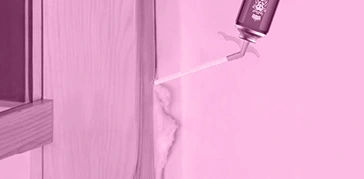
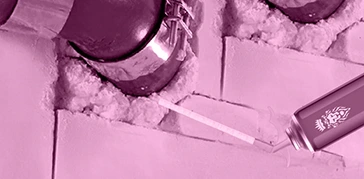
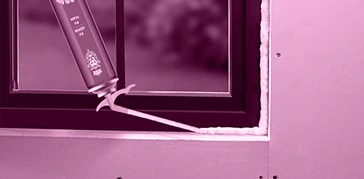
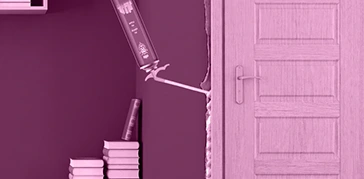
- Using a rifle or gun, it is applied in a thin line into the gap between the safe and the wall.
- Expansion allowance is taken into account, and overtightening is avoided.
- The foam expands sufficiently and surface hardening begins within 10–20 minutes.
- If the frame is supported by wedges, it should not be removed until the foam is fully cured.
After proper installation, the case will remain stable and will not move.
Expansion Control
One of the most common mistakes in door installation is using too much foam. When the foam expands, it can push the door frame inwards. This causes the door to jam. Therefore:
- Instead of applying too much pressure at once, controlled and fine application is recommended.
- The frame is supported by wedges to ensure it maintains its shape during expansion.
- If necessary, a two-stage foam application can be performed.
Curing Process
The foam dries quickly on the surface, but it may take a little longer to reach full hardness. During this time, the supports of the door frame should absolutely not be removed. Once fully cured, the frame's stability will be maximized.
Removing Excesses
Once the foam has hardened, any excess can be easily cut off with a utility knife. It's better to use a solvent when it's still soft. However, it must be applied carefully to avoid damaging the wall, wood, or door surface.
Door Adjustment
Once the foam has completely dried, it's time to adjust the door. The hinges are checked, the door lock strike plate is aligned, and it's ensured that the door opens and closes smoothly. If this step is done well, the installation will last for many years without problems.
Tips for Professional Installation
- Always apply the foam while in an upright position.
- Avoid application in extremely hot or cold weather.
- The foam adheres better if the surface is slightly damp.
- Make sure the case doesn't get stuck in the gap.
- Do not remove the case blocks prematurely after applying the foam.
Common Mistakes When Installing Doors with PU Foam
The following errors lead to incorrect assembly:
- Placing the safe without leveling it
- Excessive foam application
- Reapplying to the quickly dried foam.
- Removing the blocks before curing.
- Insufficient space
Avoiding these mistakes results in a more robust and longer-lasting assembly.
Durability and Longevity
Properly applied foam both secures the door frame and provides impact resistance. It can also reduce sound leakage by sealing gaps and helps the door integrate seamlessly with the wall. This is a method that has been used successfully in door installations for years.
The information in this text may vary from time to time depending on the manufacturer. Always check the product label.