The Difference Between Winter and Summer PU Foam
In PU foam applications, temperature directly affects the foam's performance. Therefore, manufacturers produce foams suitable for different temperature conditions, specifically for winter and summer. Understanding the differences between winter and summer PU foam is crucial for successful application and long-lasting insulation.
Summer PU Foam
Summer PU foam is generally designed for application in ambient temperatures between 5°C and 35°C. This foam provides optimum expansion and adhesion under normal weather conditions.
- It has moderate expansion properties.
- Suitable for standard indoor and outdoor applications.
- It cures quickly and is easy to apply.
Winter PU Foam
Winter PU foam is formulated for application at low temperatures (including 0°C and below). It retains its expansion and adhesion even at low temperatures, thus ensuring secure filling and installation even in winter conditions.
- It provides high adhesion even at low temperatures.
- Expansion performance is preserved.
- Suitable for indoor and outdoor applications in cold climates.
Differences Between Expansion and Curing
One of the most important differences between winter and summer PU foam is its expansion and curing time.
- Summer foam expands rapidly and controllably at normal temperatures.
- Winter foam may exhibit slow expansion at low temperatures, but its performance after curing is similar to that of summer foam.
- Both types must adhere well to the surface during application and completely fill any gaps.
Areas of Application
Which type to use depends on the ambient temperature and application conditions:
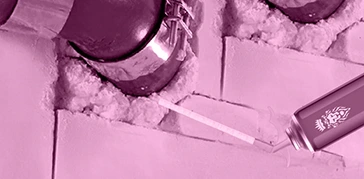
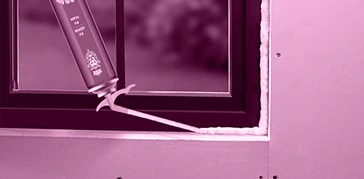
- Summer PU foam: Suitable for indoor and outdoor installations at normal temperatures, door and window installation, and filling work.
- Winter PU foam: For outdoor applications at low temperatures, repair and installation work during winter months.
Application Tips
- Use winter foam at low temperatures; summer foam will not expand or stick in the cold.
- Check the room temperature before applying the foam.
- For winter foam application, you can increase its fluidity by slightly heating the tube with warm water.
- Apply the product in a controlled manner, taking expansion into account.
Conclusion
The difference between winter and summer PU foam lies in their ability to provide optimum performance under different temperature conditions. Summer foam is suitable for normal temperatures, while winter foam offers safe application possibilities at low temperatures. Choosing the appropriate type directly affects the success of insulation and installation work.
The information in this text may vary from time to time depending on the manufacturer. Always check the product label.