PU Foam Adhesion Strength
PU foam is known for its strong adhesion properties, as well as its ability to fill gaps and provide insulation. Understanding its adhesion strength and using it on the right surfaces is crucial for successful assembly and insulation applications. Adhesion strength directly impacts the foam's durability and long-lasting performance. This article will detail PU foam adhesion strength, application techniques based on surface types, and key tips.
PU Foam Adhesion Mechanism
PU foam adhesion occurs through chemical and mechanical interactions with the surface. When applied, the foam expands and penetrates the pores of the surface. During curing, the cellular structure hardens and adheres firmly to the surface.
- Chemical adhesion: The polyurethane components of the foam react with the surface to form a strong bond.
- Mechanical adhesion: The foam adheres physically by penetrating the micro-pores of the surface.
- Expansion effect: During application, the expansion of the foam fills gaps and increases the contact area with the surface.
Adhesion Strength on Different Surfaces
Adhesion strength varies depending on the surface type. Different techniques are used to achieve maximum adhesion on each surface:
1. Wooden Surfaces
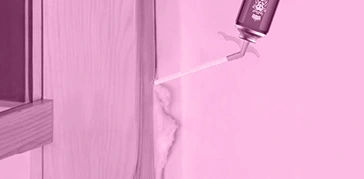
- Because wood has a porous structure, foam adheres to it easily.
- The surface must be clean and dry; dust and oil will reduce adhesion.
- It provides high adhesion in door and window installations and increases the durability of the sealant.
2. Concrete and Brick
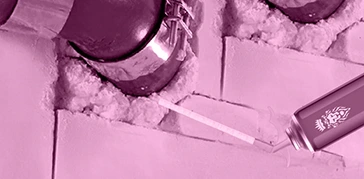
- Porous and rough surfaces offer an advantage in terms of mechanical adhesion.
- Foam fills cracks and gaps, creating a strong bond.
- Excess foam is trimmed after drying to create an aesthetically pleasing surface.
3. Metal Surfaces
- Because metal is smooth, mechanical adhesion is limited.
- The surface must be clean and free of grease; if necessary, it should be wiped with alcohol or thinner.
- For outdoor applications, UV and moisture-resistant foam should be preferred.
4. Plastic and PVC
- PVC and plastic surfaces may have limited adhesion.
- Adhesion can be improved by controlled application and, if necessary, surface roughening.
- Sufficient adhesion is generally achieved in interior applications.
Tips for Increasing Adhesion Strength
- Cleaning and drying the surface before application maximizes adhesion.
- Squeezing the foam in a controlled and step-by-step manner prevents overflow and increases adhesion.
- Using winter foam at low temperatures maintains adhesion performance.
- Applying multiple layers of filler in deep or wide voids increases the contact area with the surface.
- Paying attention to the curing time after application ensures a strong and lasting adhesion.
The Importance of Adhesion in Assembly and Insulation with PU Foam
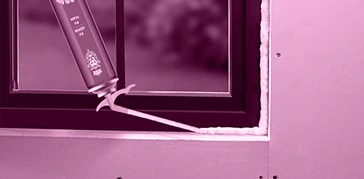
PU foam not only fills gaps in door and window installations but also increases the durability of the installation. Its adhesive strength ensures the installation remains stable and long-lasting. Furthermore, when applied in wall and ceiling cavities, adhesion directly affects insulation performance.
Conclusion
PU foam adhesion strength is critical to the success and longevity of the application. With the right application techniques, strong adhesion can be achieved on wood, concrete, metal, and plastic surfaces. Surface preparation, controlled application, layered filling, and the correct curing time improve both assembly and insulation performance. Understanding the adhesion strength and paying attention to application will allow you to maximize the advantages offered by PU foam.
The information in this text may vary from time to time depending on the manufacturer. Always check the product label.