Applications of PU Foam
PU foam is a versatile building material used in countless areas, from the construction industry and plumbing to assembly applications and insulation solutions. Its expansion properties, high adhesion capacity, and ability to form a stable filler after hardening make it indispensable for both professionals and individual users. In this article, we will comprehensively examine the areas in which PU foam is used, the advantages of each application, and the key points to consider during application.
PU foam has a wide range of applications because it completely fills gaps on the surface where it is applied, adapts to movements thanks to its flexible structure, and offers additional benefits such as heat and sound insulation. Furthermore, because it adheres strongly to numerous surfaces, it can be safely used in both indoor and outdoor applications.
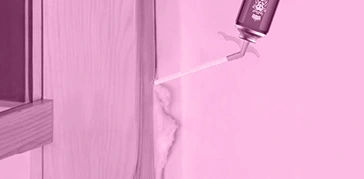
For use in door installations.
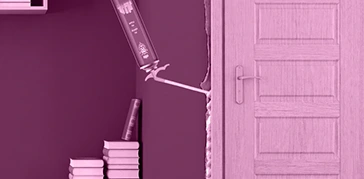
One of the most common uses of PU foam is in door installation. The gaps between the door frame and the wall must be filled during installation. PU foam is an ideal material for filling these gaps, providing both structural support and a seal.
It expands to completely close the gap and securely fastens the frame. It reduces structural vibrations while also limiting sound transmission. For this reason, it is preferred for secure installation in interior room doors or exterior entrance doors.
- Filling the gaps between the casing and the wall.
- No gaps after assembly.
- The door must be securely fixed.
- Reducing wind and sound transmission.
For Use in Window Installation
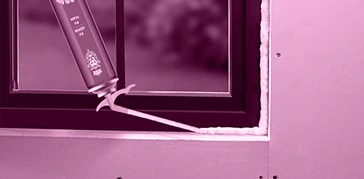
During window frame installation, various gaps can form between the wall and the frame. Sealing these gaps is critical for both energy efficiency and water-air tightness. PU foam can be applied quickly and effectively in these areas, filling the space around the frame.
After application, the foam hardens and helps to fix the frame in place. It also provides thermal insulation by preventing the formation of thermal bridges. This feature makes it indispensable, especially for window installations.
- Filling in window frame gaps
- Reducing heat loss
- Limiting sound transmission.
- Providing water and wind resistance.
Use in Gap Filling Tasks
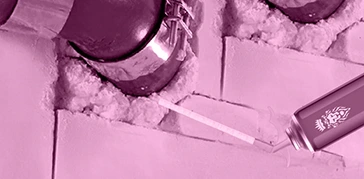
PU foam is one of the most practical solutions for filling voids in different parts of a building. Areas such as cavities within walls, drywall joints, column surrounds, and plumbing voids are ideally suited for this application.
Thanks to its expansion capacity, even a small application can cover a large area. This saves on labor costs and makes it possible to completely cover the surface.
- Wall cracks
- Drywall joints
- Pipe surrounds
- Panel spacing
- Cable entry spaces
- Corner and edge margins
Use in Thermal Insulation
PU foam has a high thermal insulation value thanks to the micro-air gaps within it. Therefore, it can be applied to prevent heat loss on both small and large surfaces. In particular, a large portion of heat leaks around doors and windows originate from gaps; applying PU foam to these areas is a very effective solution.
It can also be used to insulate specific gaps in areas such as roofs, walls, and under floors. Its insulation performance maintains its form for many years.
Use in Sound Insulation
Sound waves easily pass through gaps. Even small voids in a structure can significantly increase sound transmission. Because PU foam fills these voids, it reduces the spread of sound between different rooms. It makes a significant contribution to sound control, especially in buildings with thin walls, interior room doors, and utility areas.
Depending on the area where it is applied, it can also reduce sound reverberation. Some users even prefer this product for creating quiet areas in meeting rooms, studio partitions, or within their homes.
For Use in Plumbing and Pipe Penetrations
In plumbing systems, gaps often form between pipe penetrations and walls. These gaps are not only unsightly but can also allow air, dust, and insects to enter. PU foam eliminates these problems by tightly wrapping around the pipes.
It also prevents noise by securing the pipe. It is also an ideal solution for preventing pipes from vibrating in water or heating systems.
- Filling pipe passage gaps
- Fixing in cable channels
- Closing the plumbing holes
Corrosion and Air Leak Prevention
Moisture entering through gaps can cause corrosion on metal surfaces over time. Filling these gaps with PU foam protects the surfaces from external environmental conditions. It particularly increases energy efficiency by preventing wind penetration at exterior wall connection points.
Areas such as door sills, window sills, and around chimneys are suitable locations for application.
For use in panel and roof installations.
Filling gaps created during roof panel installations is crucial to prevent water and air leakage. PU foam offers a quick solution in these areas. It can also be used to fill voids that may form under roof coverings.
It is also preferred as an additional support material in fixing insulation panels. After hardening, it provides a firm bond to the panels.
For use in decorative and hobby projects.
PU foam is widely used not only in professional applications but also in hobbies and decorative work. Its moldable, sculptable, and paintable structure makes it possible to produce decorative objects.
- Model making
- Creating decorative figures
- Gap filling under decorative cladding.
For use in furniture and interior design.
Small gaps that occur during furniture installation, wall connections, or interior cladding can be quickly filled with PU foam. It can also provide filler support in some fastening applications.
Advantages
The reason PU foam has so many applications is because of the strong technical advantages it offers:
- Its high expansion rate allows it to completely fill gaps.
- It provides strong adhesion to many surfaces .
- It has heat and sound insulation properties.
- It is quick to apply and can be cut and shaped after drying.
- It remains stable and retains its shape for a long time .
Conclusion
PU foam has a very wide range of applications , from construction and assembly to insulation and decorative work. Thanks to its gap-filling, assembly support, and insulation properties, it is a frequently preferred product in modern buildings. It is easy to use, provides quick results, and adheres strongly to the surface it is applied to.
Thanks to these features, it is among the most preferred building materials by both professionals and individual users.
The information in this text may vary from time to time depending on the manufacturer. Always check the product label.