How to Fix Defects in PU Foam?
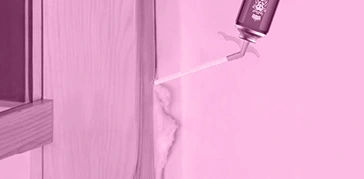
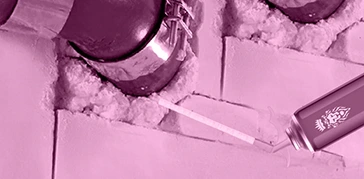
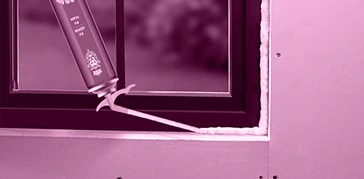
Various mistakes can be made during PU foam applications. Problems such as overflowing foam, insufficient filling, excessive expansion, or failure to adhere to the surface can create issues both aesthetically and functionally. Fortunately, most of these mistakes can be corrected with the right methods. Here is a guide to fixing PU foam mistakes:
1. Problems with Overflowing Foam
When too much foam is applied, it can overflow and create a bubbly appearance on the application surface. This is usually due to uncontrolled application and failure to calculate expansion allowance.
- Excess foam should be wiped away with a cloth or paper towel immediately after curing while it is still fresh.
- The hardened foam can be carefully scraped off with a craft knife or spatula.
- Care should be taken not to damage the surface during cleaning.
2. Missing Foam or Voids
Sometimes, the foam is not applied sufficiently, or the expansion does not yield the desired result. In this case, the insulation and fastening performance decreases.
- Apply fresh PU foam to the remaining area.
- Use the gun with caution to completely fill the gap.
- Ensure even expansion by keeping the area stable during curing.
3. The foam does not adhere to the surface.
Foam may not adhere well if the surface is dirty, dusty, or too damp. To correct this error:
- Clean the surface and dry it gently.
- Moisten slightly if necessary (but not too wet).
- Apply the new foam to the surface in a controlled manner and secure it with sufficient pressure.
4. Excessively Expanded Foam
When the expansion capacity of the foam is calculated incorrectly, it can put pressure on the casing or surface. This can lead to both aesthetic and structural problems.
- Remove excess foam with a utility knife without damaging the casing or surface.
- If necessary, smooth the surface by lightly sanding.
- Calculate the expansion allowance correctly in new applications.
5. Problems within the Institution
If the foam does not cure properly, its adhesion and filling performance will decrease. This usually happens in very humid or very cold environments.
- Do not touch the treated area until the foam has cured.
- In indoor applications, pay attention to the ambient temperature.
- If necessary, reinforce any incompletely cured areas with fresh foam.
6. Preventive Tips
The best way to correct mistakes is to take preventative measures during implementation:
- Apply the foam in a controlled manner, step by step.
- Don't neglect surface preparation.
- Calculate the expansion allowance correctly.
- Pay attention to the curing time and do not apply pressure to the surface during application.
Conclusion
PU foam defects can be corrected with the right methods, ensuring a long-lasting installation or insulation. The steps taken to address overflowing, missing, excessively expanded, or non-adhering foam improve both aesthetic and functional results. Taking precautions and performing controlled applications minimizes errors.
The information in this text may vary from time to time depending on the manufacturer. Always check the product label.